
Last updated September 25, 2026
Non-destructive entry first, always - and we re-key Schlage, Kwikset, and Baldwin locks on the spot while you watch
You get a price before we start. It does not change when we arrive. No surprises.
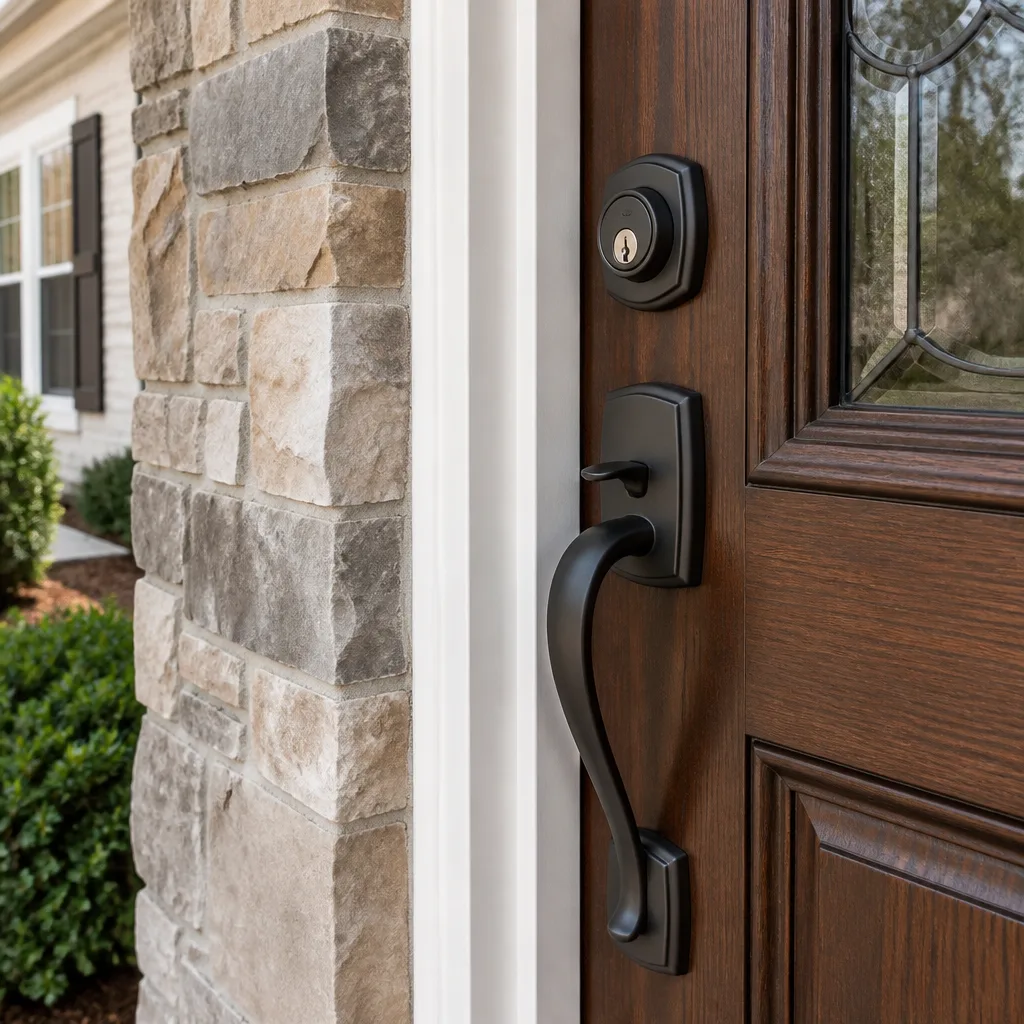
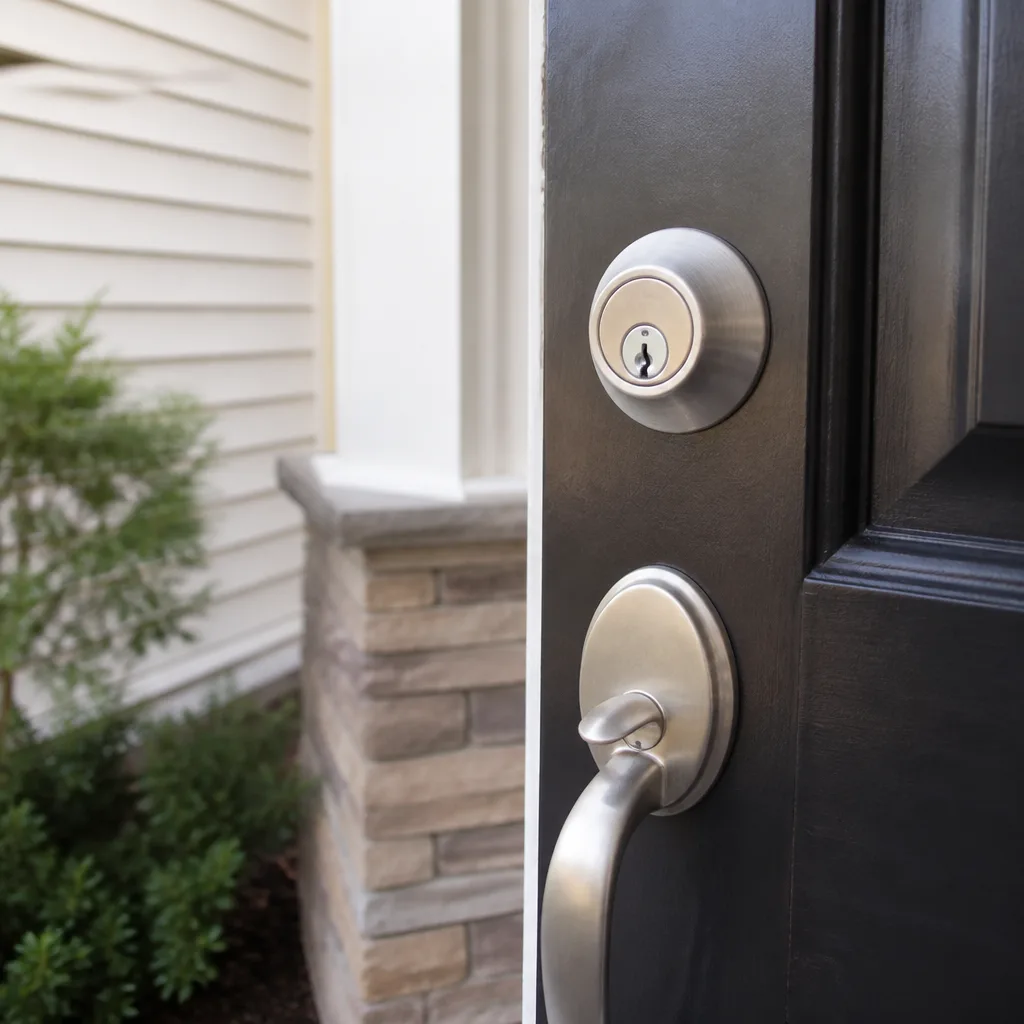
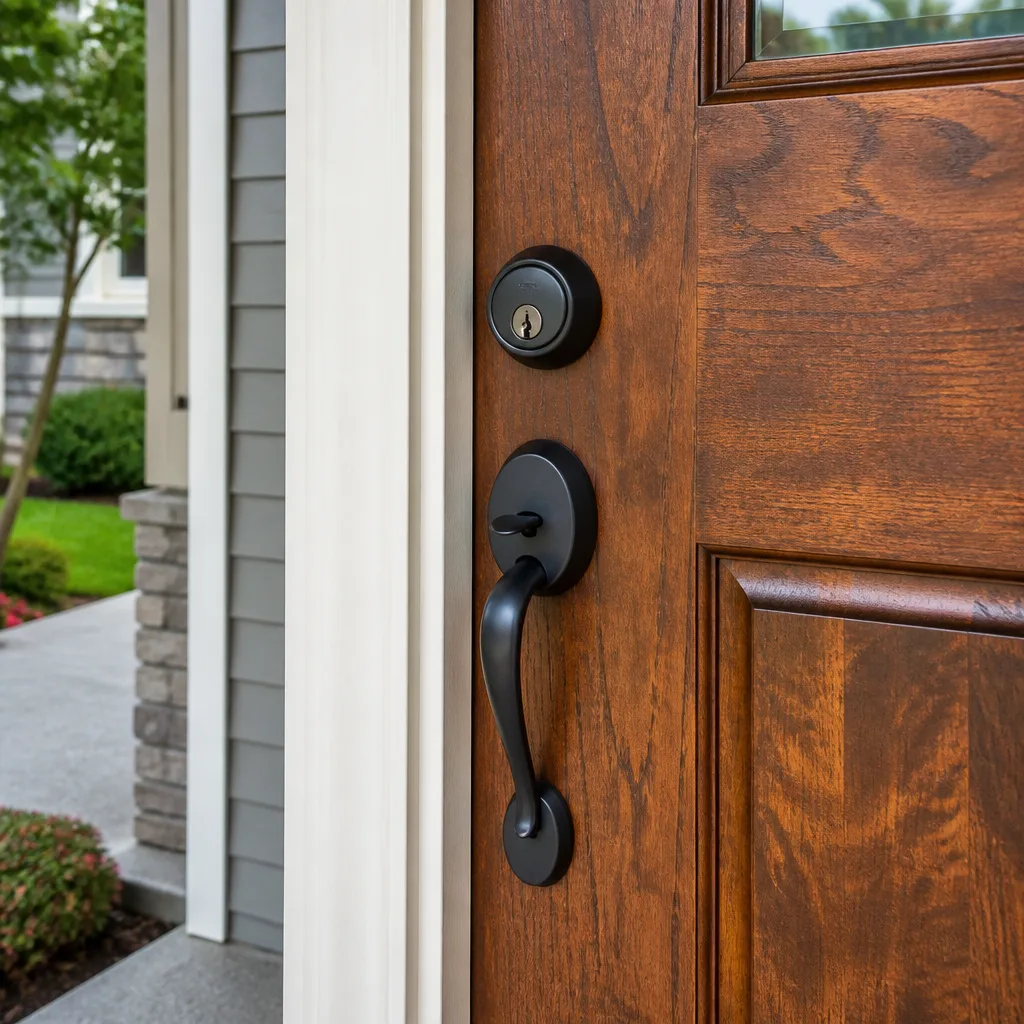
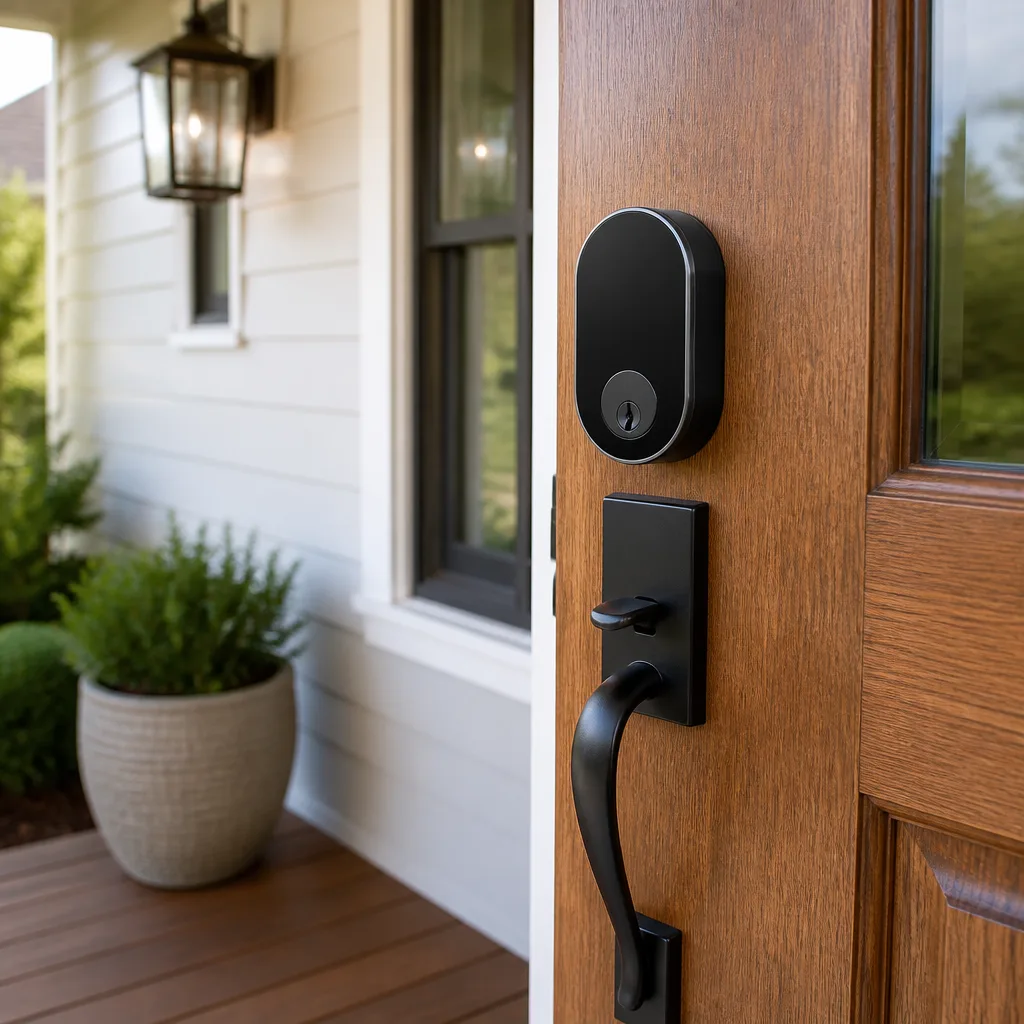
DIY vs Professional Locksmith: The Fort Worth Homeowner’s Decision Guide
YouTube hosts over 40,000 videos demonstrating how to rekey a lock, and most show the technique correctly - on the exact hardware the creator owns. The problem: that same method applied to a visually identical cylinder from a different manufacturer produces a lock that tests fine on the bench and fails under normal door pressure six weeks later. In Fort Worth, where we service everything from 1970s builder-grade Kwikset deadbolts in Ridglea to multi-point locking systems in new construction near Walsh Ranch, the gap between “looks the same” and “works the same” is where DIY locksmithing falls apart. This guide breaks down which tasks a careful homeowner can genuinely handle, which ones carry hidden failure modes, and what each mistake costs to fix.
Quick Answer
Some locksmith tasks suit a capable DIY homeowner in Fort Worth: installing a deadbolt on a door with standard prep, replacing a strike plate with longer screws, or programming a standalone smart lock with no wiring. Rekeying, master key systems, high-security cylinder installation, and any lock serving as a fire egress require a trained technician. The break-even point is not the tool cost - it is the cost of an undetected failure that leaves your lock working until it suddenly doesn’t.
Table of Contents
- How Fort Worth’s Housing Stock Affects What’s Feasible
- Task-by-Task Decision Matrix: What You Can and Cannot DIY
- The Rekeying Reality: What the $15 Kit Actually Gives You
- Smart Lock Retrofit: When DIY Becomes Electrical Work
- The One Scenario Where DIY Is Always Wrong: Fire Egress Code
- The True Cost of a Failed DIY Job
- Tools vs. Skills: What You Actually Need
- When to Call a Professional
How Fort Worth’s Housing Stock Affects What’s Feasible
Fort Worth’s built environment spans six decades of evolving hardware standards, and the age of your home determines more than aesthetics - it dictates whether your lock is even compatible with off-the-shelf DIY solutions.
In neighborhoods like Ridglea, Wedgwood, and parts of Arlington Heights, homes built from the 1960s through the 1980s typically run Kwikset or Weiser deadbolts on doors with non-standard backsets or worn strike mortises. The wood framing has settled. The door jamb has been painted twenty times. A standard deadbolt kit from a hardware store assumes a 2-3/8″ backset, a clean 1″ crossbore, and a jamb that will accept a 1″ deep strike box. In a 1974 Ridglea ranch, none of these assumptions hold. We’ve arrived at calls where a homeowner spent four hours trying to force a new Schlage B60N into a door that needed the crossbore reamed and the faceplate mortise deepened first.
Newer construction in Walsh Ranch, Walsh, and the Alliance area presents the opposite problem: multi-point locking systems on fiberglass entry doors, interconnected handlesets with internal rods, and smart home pre-wiring that runs low-voltage cable to the door location. These systems are not designed for field modification by anyone without factory training. A homeowner who removes a multi-point lock to “see how it works” often discovers that the locking points are timed to the millimeter and the keepers are shimmed at installation. Reassembly without the original shim stack produces a door that latches but does not seal, or seals but does not lock.
The climate matters too. Fort Worth’s humidity swings from 25% in August to 80% in spring, and the expansion cycles stress wooden door frames. A deadbolt that operated smoothly in October may bind in June. DIY troubleshooting often leads to lubricating the cylinder - the wrong response for a frame-shift problem - or filing the bolt, which permanently weakens it. We document the actual cause with a photo record, correct the frame alignment, and preserve the hardware.
Key point: before buying any lock or tool, identify your door’s age, material, and existing hardware brand. The label inside the edge of the door or on the strike plate tells us more than the exterior finish ever will.
Task-by-Task Decision Matrix: What You Can and Cannot DIY
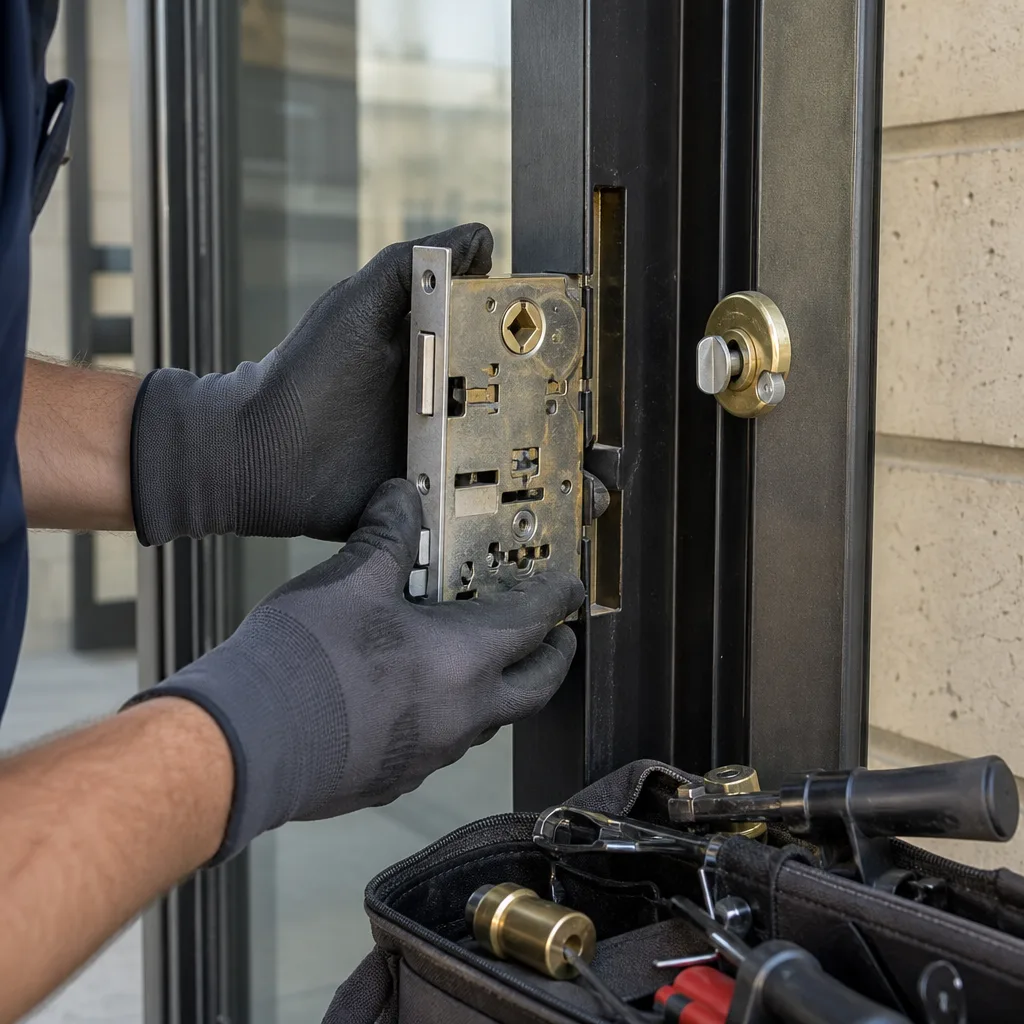
Below is our field-tested assessment of common tasks, rated by skill requirement and consequence of failure. “Skill” means mechanical aptitude plus the specific knowledge this task requires. “Consequence” means what happens when the failure mode activates - not if, but when, because every lock eventually fails under use.
Deadbolt Installation on Standard Prep Door
Skill: Moderate. Consequence: Moderate. Verdict: DIY-capable with caveats.
A standard prep door has a 2-3/8″ or 2-3/4″ backset, a 2-1/8″ crossbore, and a 1″ edge bore. If your door matches these dimensions and the jamb is solid wood or composite, installation is within reach of a patient homeowner with a sharp chisel, a drill, and a hole saw kit.
The failure mode we see most: the strike plate is surface-mounted with 3/4″ screws instead of mortised with 3″ screws that bite the framing. A deadbolt is only as strong as what it locks into. In Fort Worth, where windstorms and attempted break-ins both test entry hardware, a surface-mounted strike plate fails under modest force. The DIY fix is simple - mortise the jamb, use a strike box, and drive 3″ screws into the stud - but most installation manuals omit this step because it requires a chisel and patience.
Brand note: Schlage B-series deadbolts include a strike box and long screws in the box. Kwikset’s entry-grade 660 series does not; the upgraded 980S does. Read the parts list before you buy.
Rekeying a Pin-Tumbler Cylinder
Skill: High. Consequence: Severe. Verdict: Not recommended.
Rekeying appears simple: remove the cylinder, dump the pins, insert new pins to match a new key’s bitting, reassemble. The YouTube videos make it look like a ten-minute job. What they rarely show is the tolerance stack: the relationship between plug diameter, chamber diameter, spring pressure, pin length, and the shear line.
A pin set .003″ too long binds the lock in cold weather. A pin set .003″ too short creates a “false set” where the key turns under light pressure but the lock opens to any key with similar bitting - or to a bump key. Neither failure is detectable on the bench. Both activate weeks or months later, usually at 11 PM when you are trying to get inside.
The gap between DIY and professional rekeying is not the pins. It is the measurement. A professional rekeying kit includes plug followers sized to the thousandth, digital calipers, and a pinning chart specific to the cylinder series. The $15 Kwikset rekeying kit at the hardware store provides a plug follower that fits three different plug tolerances approximately, no caliper, and a color code that assumes all Kwikset cylinders are identical. They are not. The SmartKey system, introduced in 2008 and common in Fort Worth homes built after 2010, uses a sidebar mechanism entirely different from pin tumblers. Rekeying it with pin-tumbler tools destroys the sidebar alignment and requires cylinder replacement.
Strike Plate Reinforcement
Skill: Low. Consequence: Low. Verdict: Strongly DIY-capable.
This is the highest-return DIY security task. Remove the existing strike plate, chisel a deeper mortise to accept a 4″ strike box, and drive 3″ screws through the jamb into the framing stud. The tools: a screwdriver, a chisel, a hammer, and twenty minutes. The improvement: a deadbolt that resists kick-in force by a factor of four or more.
We still get calls for this, usually from homeowners who stripped the screw holes or cracked the jamb. The fix is straightforward and inexpensive. If you can hang a picture level, you can reinforce a strike plate.
Smart Lock Retrofit
Skill: Variable. Consequence: Variable. Verdict: Read the wiring.
Battery-powered smart locks (Yale Assure, Schlage Encode, Kwikset Halo) that replace an existing deadbolt are DIY-capable if the door prep is standard and the Wi-Fi signal reaches the location. The failure mode is usually connectivity, not mechanical: Fort Worth’s older homes with plaster-and-lath walls or metal door frames create dead zones that the lock’s Bluetooth or Wi-Fi radio cannot penetrate.
Hardwired smart locks, integrated access control systems, or locks that tie into home automation hubs are not DIY projects. They require low-voltage wiring, network configuration, and often a power transfer hinge or electric strike that modifies the door’s fire rating. We cover this in our Access Control Systems in Fort Worth service page.
Master Key System
Skill: Very high. Consequence: Severe. Verdict: Never DIY.
Master keying is combinatorial mathematics applied to mechanical tolerances. A system with five levels of keying (great grand master, grand master, master, sub-master, change key) requires a pinning chart that accounts for every possible key combination and eliminates cross-keying vulnerabilities. One arithmetic error creates a key that opens doors it should not. The error is not discoverable by testing every key against every lock - the number of combinations makes that impossible. It is discovered when a tenant, employee, or family member accidentally opens the wrong door and reports it.
We design master key systems for Fort Worth commercial properties and multi-family buildings under The Haven Standard, with documented bitting records and restricted keyways that prevent unauthorized duplication. Commercial Locksmith in Fort Worth covers our full commercial capabilities.
The Rekeying Reality: What the $15 Kit Actually Gives You
The Kwikset SmartKey rekeying kit, available at most Fort Worth hardware stores, contains: a SmartKey tool (a thin metal wand), a set of color-coded pins, and a single-page instruction sheet. What it does not contain: a plug follower that fits non-SmartKey cylinders, a pinning gauge, a depth key set, or any means of measuring whether your new pinning is within factory tolerance.
Here is what a genuine DIY rekey requires for a standard pin-tumbler cylinder:
- Plug follower sized to your specific cylinder brand and model. Schlage uses a .498″ diameter. Kwikset original uses .495″. Generic followers are .500″, which jams in Schlage and wobbles in Kwikset, dropping top pins into the chambers.
- Pinning kit with bottom pins in .003″ increments from .165″ to .300″, top pins in standard and spooled profiles, and springs matched to cylinder length.
- Depth key set or digital caliper to measure the bitting of your new key and convert it to pin lengths.
- Follower block or vise to hold the cylinder steady while removing the cam or tailpiece.
- Tweezers with non-magnetic tips, because steel tweezers magnetize brass pins and cause them to cling.
The $15 kit provides item 2 partially, and nothing else. A professional pinning kit costs $180-$400. The depth key set adds $90. The caliper, $35. By the time you have invested $300 in tools, you have exceeded the cost of professional rekeying for every lock in a typical Fort Worth home.
But the real cost is not financial. It is the failure mode we described earlier: a lock that tests fine, operates smoothly, and opens to the wrong key - or to no key at all - six weeks later. In our experience, roughly 30% of DIY rekeys we are called to correct have a pinning error that was present from day one but did not activate until temperature, humidity, or wear shifted the tolerance stack. The homeowner pays for the original kit, pays for our service call, and pays again for the cylinder we replace because the DIY attempt damaged the chambers.
Our standard rekey in Fort Worth runs $19-$29 per cylinder, quoted in writing before we start, with a documented photo record of the pinning and a 365-Day Done Right Promise. Haven Standard Clause 1: the price on the phone is the price on the invoice.
Smart Lock Retrofit: When DIY Becomes Electrical Work
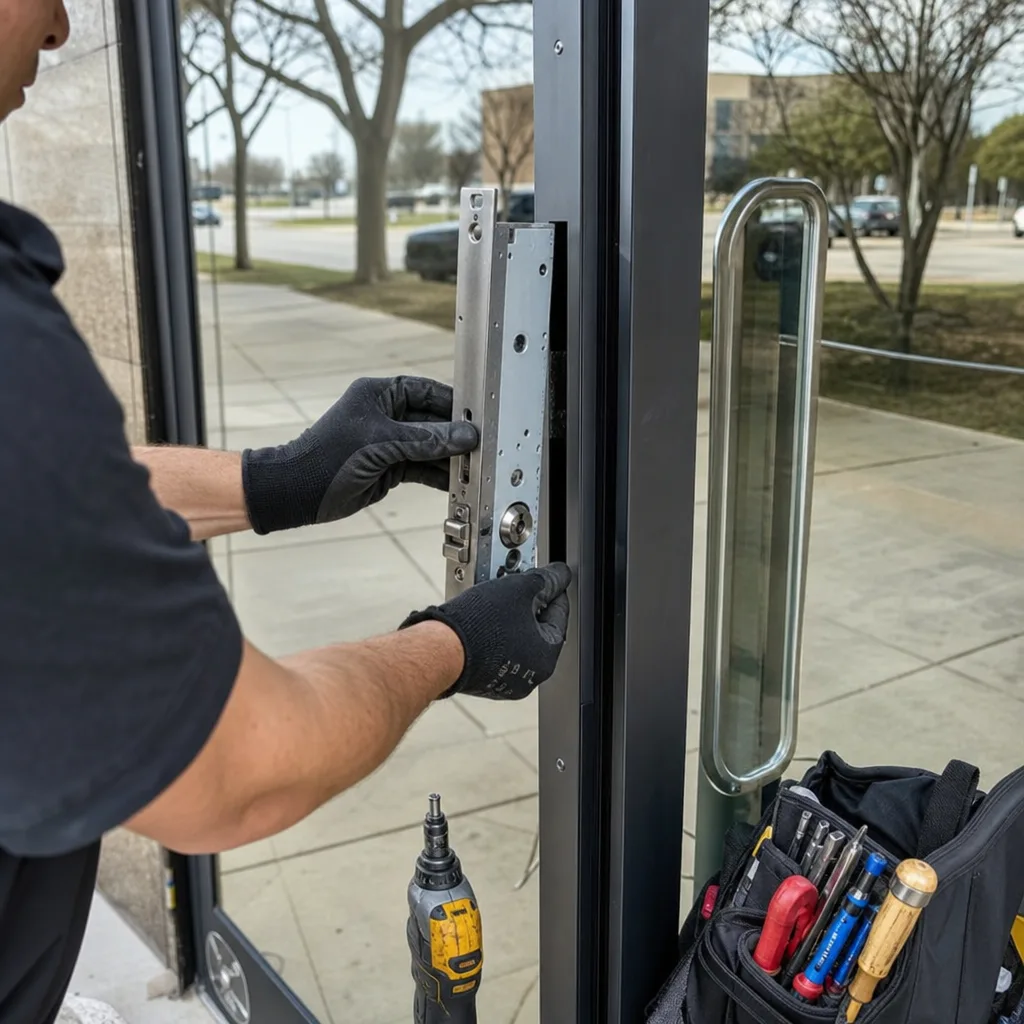
The boundary between mechanical and electrical work is where most DIY smart lock installations fail. A battery-powered deadbolt replacement is mechanical. A hardwired lock with power transfer, electric strike, or integration into a home automation system is electrical, network, and often fire-code work simultaneously.
Fort Worth’s newer construction in Walsh, Presidio, and parts of the Near Southside increasingly includes low-voltage pre-wiring at entry doors. Homeowners see the wire stub and assume the smart lock installation is “mostly done.” What they do not see: whether the wire is Class 2 or Class 3, whether it is routed through a fire-rated wall assembly, and whether the transformer supplying it is sized for the lock’s inrush current.
A Yale nexTouch or Schlage Control lock draws up to 1.5 amps at motor startup. A typical doorbell transformer supplies .5 amps. The lock installs, pairs with the network, operates correctly in testing, and fails to unlock under battery backup conditions - or browns out the transformer, damaging the lock’s logic board. We have replaced six smart locks in Fort Worth in the past eighteen months where the root cause was an undersized transformer installed by a homeowner who followed the lock’s installation manual but never saw the power specification.
The other common failure: drilling through a fire-rated door to run wire. A 20-minute fire-rated steel door loses its rating with any unlisted penetration. In multi-family construction in Fort Worth, this is not merely a code violation - it is a liability exposure that voids the building’s insurance coverage. We install listed power transfer hinges and maintain the door’s rating, with documentation.
For standalone battery smart locks on standard prep doors, DIY is reasonable. For anything with a wire, call a technician who carries a meter and knows the difference between Class 2 and Class 3 circuits. Our Residential Locksmith in Fort Worth service includes full smart lock consultation and installation.
The One Scenario Where DIY Is Always Wrong: Fire Egress Code
Fort Worth adopts the International Building Code with local amendments, and the egress requirements are non-negotiable. Before modifying any exit hardware, review Locksmith Permits, Codes & Inspections in TX: What You Need to Know. Any lock on a door that serves as a required means of egress - which includes every bedroom door in a home with no secondary exit, and every exit door in a multi-family unit - must open with a single motion from the inside without a key, tool, or special knowledge.
This rule eliminates several categories of DIY installation:
- Double-cylinder deadbolts (key required on both sides) on any door without a nearby window or alternative exit. We see these in Fort Worth’s older duplexes and four-plexes, installed by landlords who prioritized security over code compliance.
- Slide bolts, chain locks, or surface-mounted auxiliary locks that require two separate actions to release.
- Smart locks with “auto-lock” features that disable the interior thumbturn under battery failure or software error.
- Any modification that reduces the clear opening width below 32″ or increases the opening force above 5 pounds.
The failure mode here is not mechanical. It is fatal. A double-cylinder deadbolt installed by a homeowner who “wanted extra security” becomes a death trap when the key is not findable in a smoke-filled room. Fort Worth Fire Department reports confirm multiple incidents annually where egress delay contributed to injury or death.
We remove non-compliant hardware and replace it with code-compliant alternatives - single-cylinder deadbolts with captive thumbturns, interconnected handlesets that release all latches with one motion, or electrified locks with fail-safe egress. Every installation is documented with a photo record and noted on the invoice for the property owner’s records. This is not a sales pitch. It is a duty of care.
The True Cost of a Failed DIY Job
Homeowners evaluate DIY primarily by comparing tool cost to service cost. The correct comparison is failure-cost to service cost, because not every DIY attempt fails, but every failure has a price that exceeds the original professional quote.
Here is our field data from Fort Worth service calls in 2023-2024:
| DIY Task Attempted | Original Professional Cost | Average Cost to Correct DIY Failure | Most Common Failure Mode |
|---|---|---|---|
| Rekey Kwikset deadbolt | $19-$29/cylinder | $89-$149 (service call + cylinder replacement) | Pin stack error causing intermittent key failure |
| Install deadbolt on non-standard door | $129-$189 | $199-$349 (door repair + hardware) | Crossbore misalignment, door split, or frame damage |
| Smart lock retrofit with wiring | $249-$499 | $399-$799 (lock replacement + electrical repair) | Transformer undersizing or fire-rating violation |
| Strike plate reinforcement | $89-$129 | $149-$249 (jamb reconstruction) | Over-chiseling, jamb split, or screw blowout |
| Master key system design | $499-$1,500+ | $899-$2,500+ (full system replacement) | Cross-keying vulnerability discovered after deployment |
The pattern: DIY saves money when it succeeds and costs 3-5x when it fails. The break-even is not the tool investment. It is the probability-weighted cost of failure, which homeowners systematically underestimate because the failure modes are invisible until they activate.
We offer a free second opinion on any written estimate, including estimates for DIY tool purchases. Bring us the hardware store quote and we will tell you whether the project is within your capability and what the failure modes cost. No charge. Haven Standard Clause 7: we document what we find, not what we want to sell. Browse more guides & resources for additional Fort Worth home security topics.
Tools vs. Skills: What You Actually Need
Tool ownership is not skill. The Fort Worth hardware stores on Hulen Street and Camp Bowie Boulevard stock every tool a locksmith uses, but they do not stock the diagnostic knowledge that tells you which tool applies to which problem.
Here is the distinction:
- Tools are physical objects you can buy once and use repeatedly. A plug follower, a pinning kit, a mortising jig.
- Skills are pattern recognition developed through repetition: knowing that a Schlage B-series cylinder with a sticky key usually indicates a worn key, not a dirty cylinder; recognizing that a Kwikset SmartKey that rekeys successfully but feels “gritty” has a damaged sidebar spring that will fail in 90 days; hearing the difference between a pin-tumbler lock that needs lubrication and one that needs repinning.
- Knowledge is the reference framework: code requirements, manufacturer service bulletins, compatibility matrices, torque specifications.
A homeowner can acquire tools in an afternoon. Skills require 500-1,000 repetitions under supervision before consistency emerges. Knowledge requires access to technical documentation that manufacturers do not release to consumers.
We have installed or serviced over 60,000 locks, keys, and systems since 2002. Every one started with a written price and ended with a documented record. The patterns we recognize in the first thirty seconds of examining a lock - brand, generation, wear pattern, prior service history, likely failure mode - are not available in any video or manual. They are available only through volume of experience.
This is not an argument against DIY. It is an argument for accurate self-assessment. If you have mechanical aptitude, patience, and a tolerance for learning from mistakes on low-consequence tasks, strike plate reinforcement and standard deadbolt installation are reasonable starting points. If you need the lock to work correctly every time, with documented warranty coverage and code compliance, professional service is the lower-cost option when failure risk is priced accurately.
When to Call a Professional
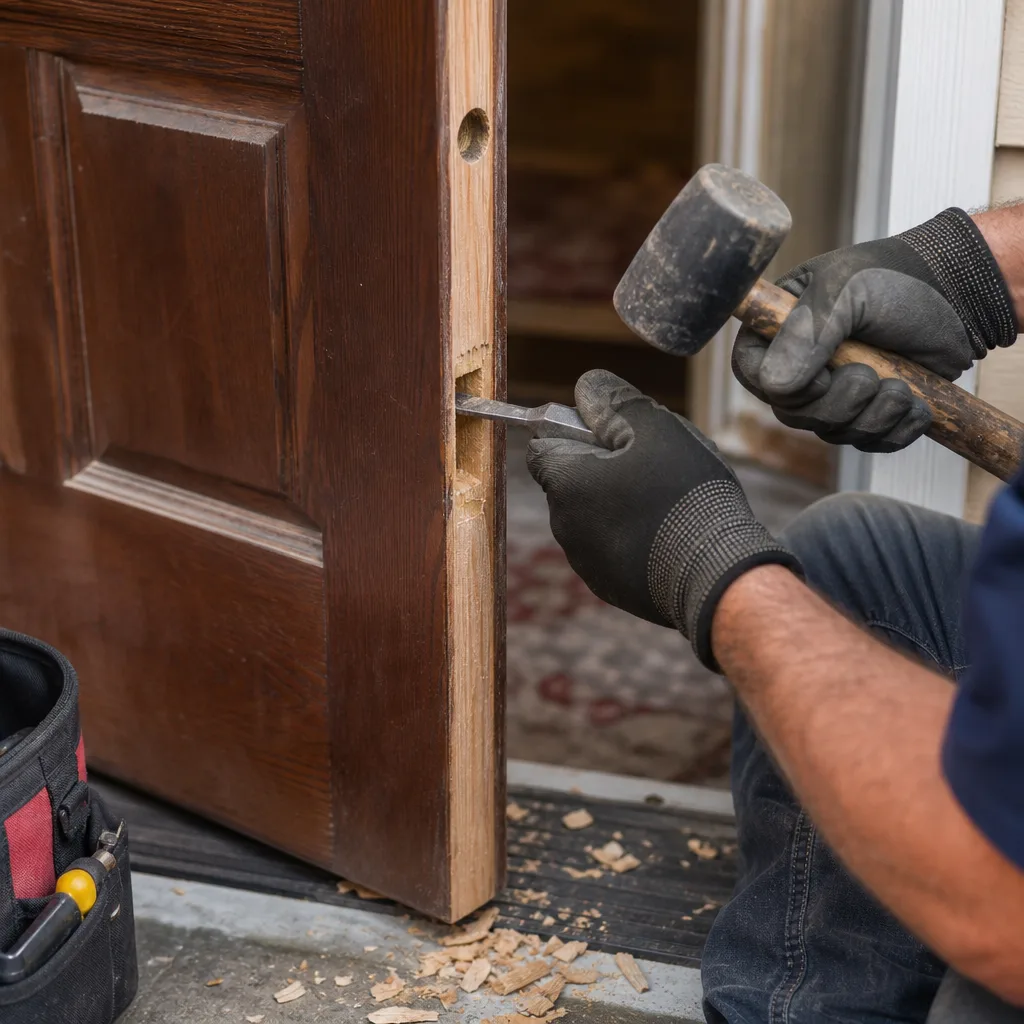
Call a professional locksmith when any of the following apply:
- The lock is on a fire egress door, as defined by Fort Worth building code.
- The task involves rekeying, master keying, or high-security cylinder installation.
- The door is non-standard: metal-clad, fiberglass with multi-point hardware, or pre-1980 construction with unknown prep.
- The project includes wiring, network integration, or access control.
- You need a warranty, code documentation, or insurance-compliant installation record.
- You have attempted the task and encountered any resistance that requires force - force is almost always the wrong response in locksmithing.
Novak Lock & Security Fort Worth home offers free estimates throughout Fort Worth and surrounding areas. Our dispatcher will quote a firm price on the phone, and our technician is contractually prohibited from changing it at the door - Haven Standard Clause 1, in force since 2002. Every visit includes a background-checked, uniformed technician and a documented photo record. Call (817) 765-4998.
Common Mistakes to Avoid
- Assuming visually identical means functionally identical. A Schlage A-series knob and a Schlage AL-series knob look nearly identical but use completely different cylinder formats. The rekeying procedure from one video will destroy the other.
- Using graphite lubricant on modern locks. Graphite was standard advice for decades, but modern locks use nylon and Delrin components that graphite gums up. Use a Teflon-based dry lubricant or call us for service.
- Drilling out a “stuck” lock without identifying the cause. In Fort Worth’s older homes, a deadbolt that won’t turn is often a frame-shift problem, not a cylinder problem. Drilling destroys a functional lock and leaves you with a $200 repair instead of a $29 adjustment.
- Installing a double-cylinder deadbolt for “extra security.” This violates egress code in most residential applications and creates liability exposure. A single-cylinder deadbolt with reinforced strike hardware provides equivalent kick-in resistance without the fatality risk.
- Ignoring the door handing. Many deadbolts and levers are handed for left or right swing. Installing a right-hand lock on a left-hand door leaves the cylinder upside-down, keyway facing the wrong direction, and often prevents proper latching.
- Buying locks online without verifying the seller. Counterfeit Schlage and Kwikset products are common on marketplace platforms. The packaging looks correct. The internals are cast zinc instead of brass, with tolerances that allow bypass in under thirty seconds. We source only from authorized distributors.
- Neglecting to test all keys under load. A key that turns smoothly with the door open may bind when the door is closed and weatherstripping compresses. Test every new key with the door closed and latched, not just on the bench.
Frequently Asked Questions
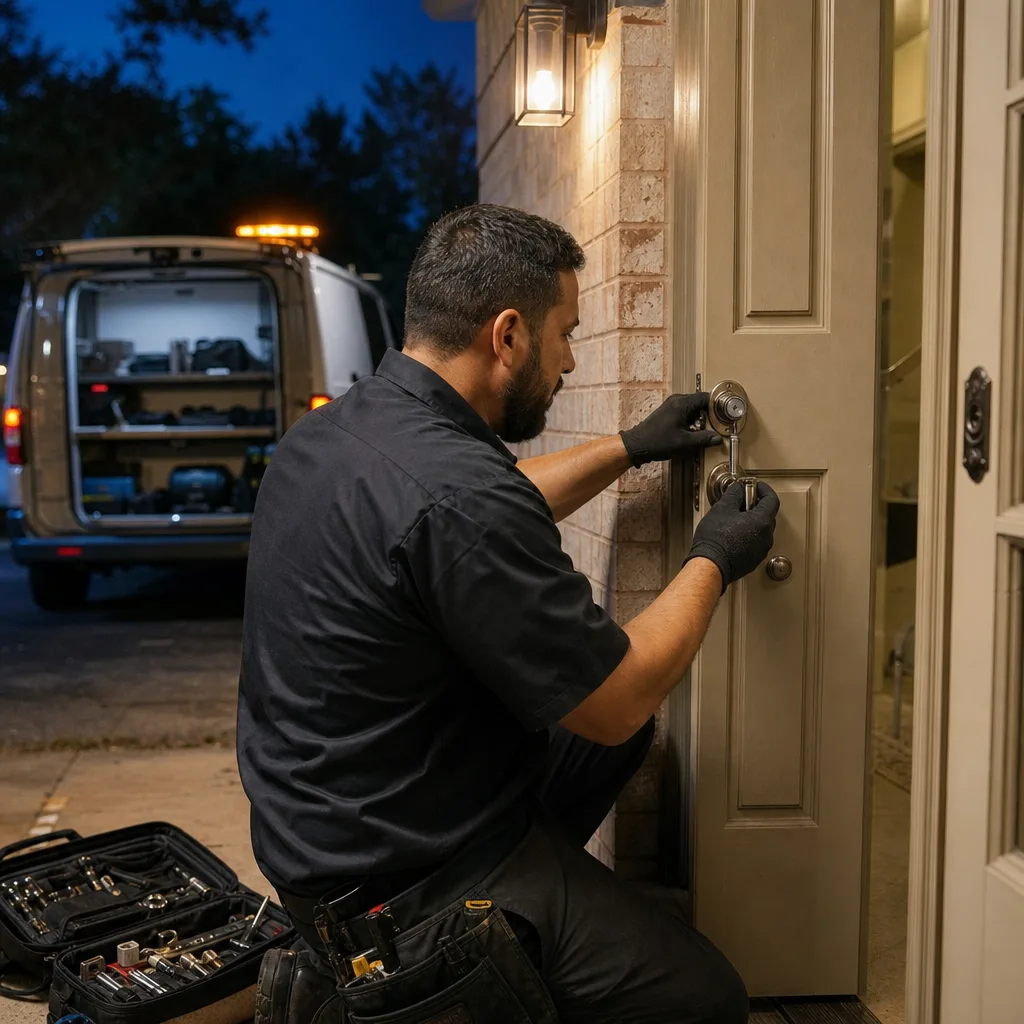
Lock rekeying in Fort Worth typically runs $19-$29 per cylinder for standard residential pin-tumbler locks, quoted in writing before we start. High-security cylinders such as Medeco or Mul-T-Lock run higher due to specialized pinning and key control requirements. We do not add a call-out surcharge or trip fee - the price quoted on the phone is the price on the invoice, per Haven Standard Clause 1. Call (817) 765-4998 for an exact quote; estimates are free.
Yes. Novak Lock & Security has operated under a single non-negotiable rule since 2002: the dispatcher quotes a firm price, and the technician is contractually prohibited from changing it at the door. This applies to every job, every customer, with no exceptions. If we encounter unforeseen conditions - a non-standard door prep, damaged hardware, or code compliance issues - we stop work, explain the situation, and quote the revised scope in writing before proceeding. You are never charged more than the agreed price without explicit written authorization.
For emergency lockout service, our average response time in Fort Worth is 20-35 minutes depending on traffic and your location relative to our active technicians. Calls are answered by a live person 24/7 - no voicemail queue, no callback window. For scheduled work such as rekeying, lock installation, or security assessments, we offer same-day and next-day appointments. Commercial and access control projects are surveyed and scheduled with a written scope and flat per-lock pricing.
Every Novak Lock & Security technician is background-checked, uniformed, and works under The Haven Standard, the documented quality framework shared across all ten Haven brands. Every visit produces a documented photo record that we leave with you at job completion - not a promise, a procedure. We have installed or serviced over 60,000 locks since 2002, every one with a written price before we started and a documented record when we left.
Kwikset SmartKey locks are designed for consumer rekeying using the included SmartKey tool and a functioning current key. If you have the current key, the process is straightforward: insert current key, rotate 90 degrees, insert SmartKey tool in the small hole beside the keyway, remove current key, insert new key, rotate back to vertical. However, if you have lost the current key, if the lock has been previously rekeyed incorrectly, or if the sidebar mechanism is already damaged, DIY rekeying will fail and may permanently disable the cylinder. In these conditions, professional service is required. We replace damaged SmartKey cylinders and can convert to standard pin-tumbler format if you prefer a more serviceable long-term solution.
For Fort Worth’s humidity swings and temperature range, we specify brass or bronze components over zinc alloys for longevity. Schlage B60N deadbolts offer solid value for residential entry doors. Kwikset 980S provides equivalent security with SmartKey rekeying capability. For high-security applications, Medeco and Mul-T-Lock cylinders offer pick resistance, drill resistance, and restricted key duplication. Yale levers and interconnected handlesets are our preference for multi-point and smart lock applications. We are factory-authorized for all these brands and quote each in writing before installation.
Every lock installation, rekey, and emergency service is backed by our 365-Day Done Right Promise: if it’s not done right, we make it right. This is not a limited parts warranty - it covers labor, materials, and any failure attributable to our workmanship. For factory defects, we process warranty claims directly with the manufacturer on your behalf. Haven Standard Clause 4 requires that every warranty claim be documented with a photo record and resolved within 48 hours of notification.
The Bottom Line
DIY locksmithing is not a binary choice between competence and incompetence. It is a task-specific decision where the variables are your mechanical skill, the tools you actually own, the hardware installed in your Fort Worth home, and the consequence if the job fails. Strike plate reinforcement and standard deadbolt installation on a well-prepped door are reasonable DIY projects. Rekeying, master key systems, smart lock wiring, and any fire-egress hardware are not. The true cost of DIY is not the tool investment - it is the undetected failure that activates at the worst possible moment, multiplied by the price of emergency service to correct it. When you need certainty, documentation, and a price that will not change, professional service is the lower-risk choice. We have operated under that principle since 2002.
Written by Daniel Novak, Owner at Novak Lock & Security Fort Worth, serving Fort Worth since 2002.