
Last updated September 25, 2026
Non-destructive entry first, always - and we re-key Schlage, Kwikset, and Baldwin locks on the spot while you watch
You get a price before we start. It does not change when we arrive. No surprises.
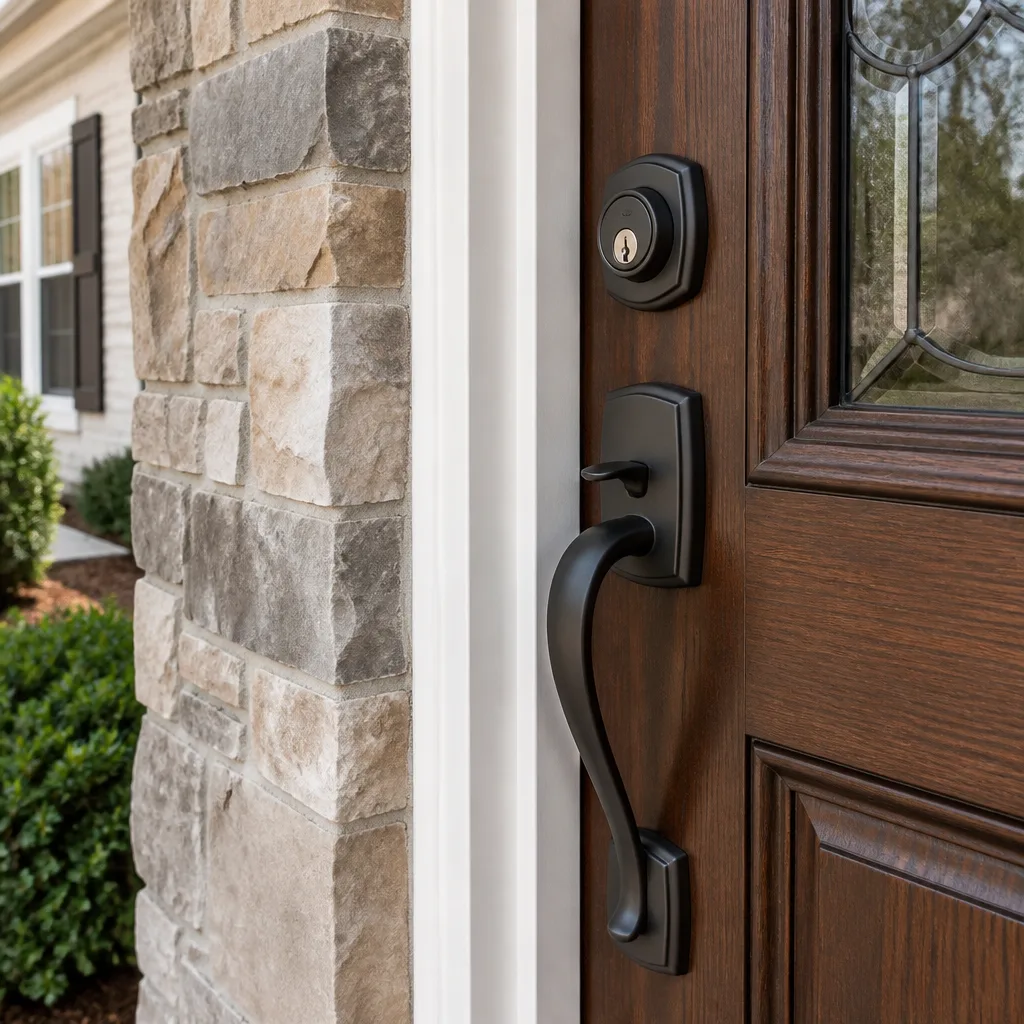
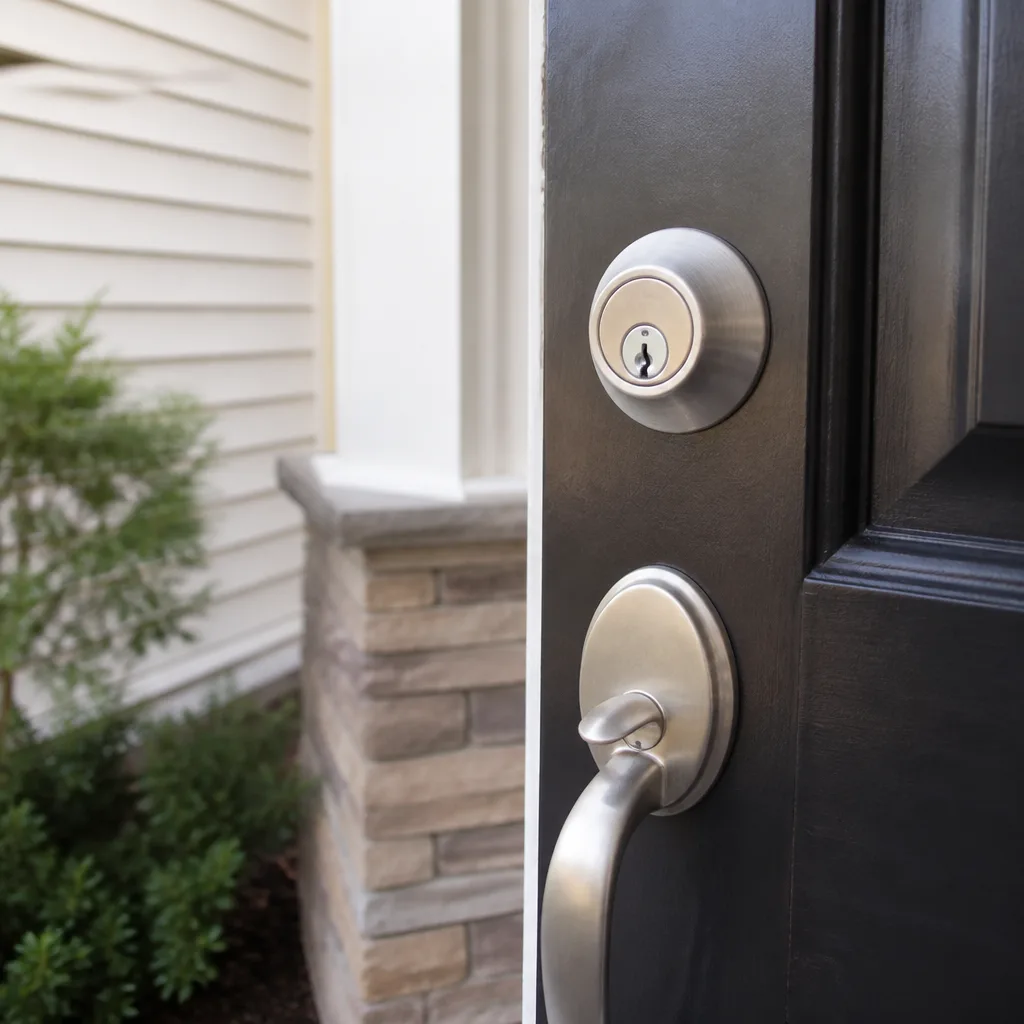
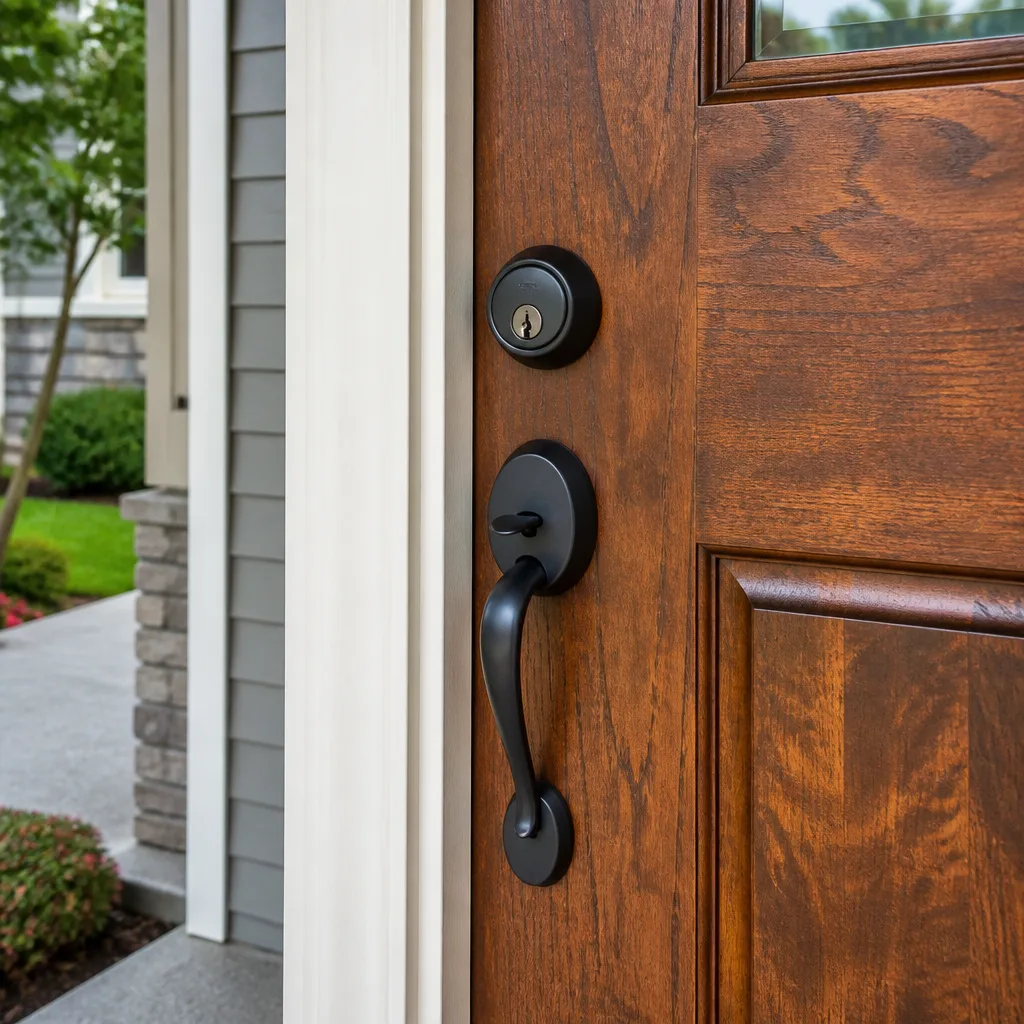
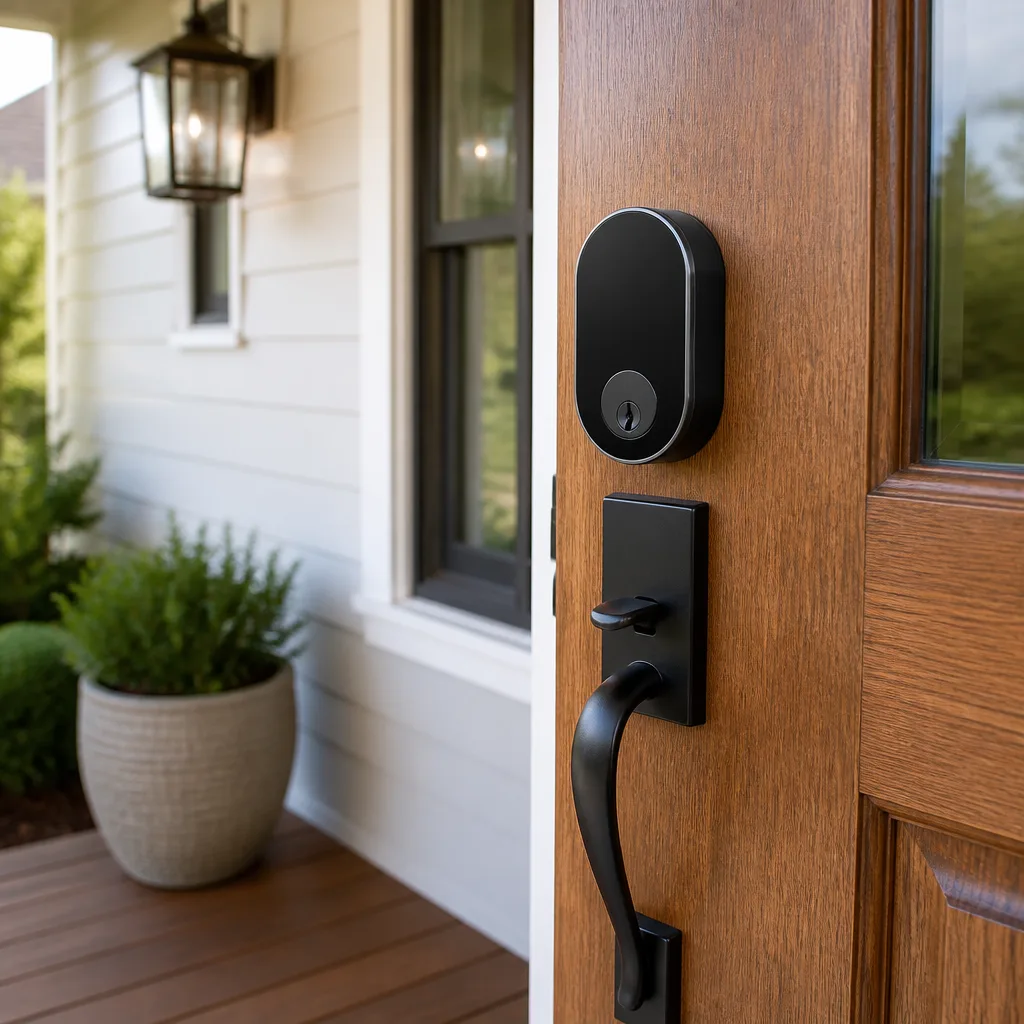
Seasonal Locksmith Care for Fort Worth: Year-Round Homeowner’s Guide
A February ice storm in Fort Worth doesn’t damage a deadbolt the way most homeowners assume. The lock cylinder rarely freezes solid. What fails is the door frame, which swells and shifts under ice weight until the bolt no longer aligns with the strike plate, a problem that shows up as a “sticky lock” the following August when no one connects the cause. In The Complete Guide to Locksmith in Fort Worth, you’ll learn how Fort Worth’s actual weather calendar, four distinct hardware stress windows, degrades lock components in specific, preventable ways, and what to do about each one.
Quick Answer
Fort Worth homeowners should perform lock maintenance four times per year aligned to local weather stress windows: February for strike plate alignment after freeze-thaw cycles, April for humidity and debris clearing, July for thermal expansion adjustments on steel frames, and November for weatherstripping pressure checks. Each task takes 15-30 minutes and prevents the misalignment and binding that cause 60% of residential lock failures we see in the Fort Worth market; see our DIY vs Professional Locksmith: The Fort Worth Homeowner’s Decision Guide to decide which tasks to handle yourself.
Table of Contents
- February: Strike Plate Alignment After Freeze-Thaw Cycles
- April-May: Humidity, Hail Debris, and Exterior Keyway Care
- July-August: Thermal Expansion of Steel Door Frames
- November: Weatherstripping Compression and Lock Mechanism Stress
- The Fort Worth Annual Maintenance Log
- What to Keep in Your Home Lock Kit
- Common Mistakes to Avoid
- When to Call a Professional
- Frequently Asked Questions
February: Strike Plate Alignment After Freeze-Thaw Cycles
Fort Worth’s ice events are infrequent but severe enough to reshape door geometry. When temperatures drop below 28°F for more than six hours, moisture in wood door frames expands, then contracts unevenly during recovery. The result is strike plate misalignment that doesn’t announce itself immediately. Homeowners notice it weeks later as “the lock is getting hard to turn” and blame the cylinder.
We’ve measured this in Fort Worth homes from Ridglea to Mistletoe Heights. A strike plate that accepted a 1-inch deadbolt throw in October will show 1/8-inch to 3/16-inch misalignment by March. That gap is enough to bind the bolt, force the key to twist unevenly in the cylinder, and eventually warp the internal cam.
What to Check
- Close the door and turn the deadbolt. If the bolt resists entry into the strike plate, mark where it contacts the plate edge.
- Measure bolt throw. A standard deadbolt should extend a full 1 inch into the strike plate recess. Less than 7/8 inch is a security gap, not just a convenience issue.
- Inspect the strike plate screws. The short screws included with most residential locksets (typically 3/4 inch) anchor only to the door jamb trim. Fort Worth’s clay soils shift seasonally; these pull out. Replace with 3-inch #8 wood screws that reach the structural framing stud. We install these as standard on every residential lock service in Fort Worth.
- Check for frame splitting. Ice-loaded eaves dump water behind trim boards. Probe gently with an awl. Soft wood means the frame is compromised and the strike plate will continue to drift.
If the bolt misses the strike plate by more than 1/4 inch, the frame has shifted structurally. Shimming or repositioning the strike plate is a temporary fix. The frame needs re-securing to the rough opening, which is outside the scope of homeowner maintenance.
Key brands to inspect: Schlage B-series deadbolts tolerate minor misalignment well; Baldwin deadbolts are precision-machined and bind sooner when frames shift, which is not a defect but a signal that the frame needs attention.
April-May: Humidity, Hail Debris, and Exterior Keyway Care
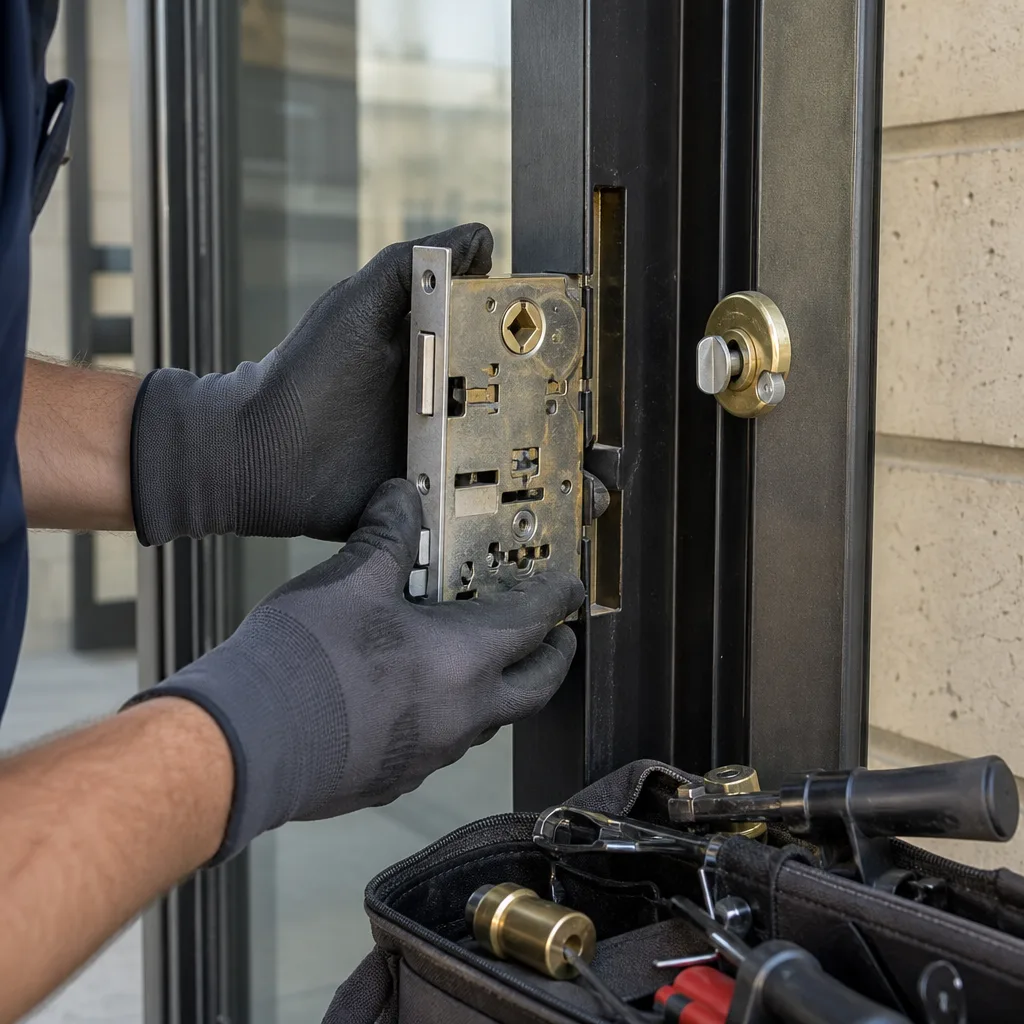
Fort Worth’s April hailstorms do more than dent cars. Wind-driven debris fills exterior keyways with leaf matter, shingle grit, and pollen that compacts into a paste when humidity spikes above 70%. By late May, we receive calls from homeowners in Benbrook and Fossil Creek whose keys won’t insert fully or turn with a gritty resistance they describe as “grinding.”
The mistake is using WD-40 or graphite powder without clearing the debris first. Both substances mix with the paste to form a sludge that permanently damages pin chamber tolerances in high-security cylinders.
Safe Keyway Cleaning Procedure
- Remove visible debris with compressed air. A computer duster held upright works. Do not use a toothpick or wire; keyway wards are precise and scratch easily.
- Flush with a solvent that evaporates completely. We use Houdini Lock Lube in the field. Homeowners can use 99% isopropyl alcohol on a cotton swab, applied to the keyway, not poured in.
- Work the key in and out ten times. This draws solvent through the pin chambers. Wipe the key between insertions.
- Apply a dry lubricant only after cleaning. Teflon-based dry lube (Triflow, or similar) leaves no residue. Graphite is acceptable but stains keyways and finishes; we avoid it on Baldwin and Mul-T-Lock hardware.
Mul-T-Lock cylinders with the telescopic pin design are particularly sensitive to debris. The inner and outer pin sets must move independently; contamination causes false sets that make the lock appear to malfunction when it is actually protecting against incorrect keys. If cleaning doesn’t restore smooth operation, the pin chambers need professional disassembly.
Hail damage to door surfaces also deserves inspection. Dented steel doors stress hinges, and hinge sag changes the door’s swing geometry. A door that closes properly in March may require shoulder pressure by June. That pressure transfers to the latch bolt and deadbolt every time someone forces the door closed, accelerating wear on the strike plate and bolt face.
July-August: Thermal Expansion of Steel Door Frames
Fort Worth’s August heat is the second major stress window, and it operates invisibly. Steel door frames on south and west exposures can expand 1/16 inch per 10 feet of frame height when surface temperatures exceed 140°F. The expansion isn’t uniform; the lock jamb (the vertical member with the strike plate) expands toward the sun while the hinge jamb, often shaded by the open door, stays cooler.
This differential expansion changes the door-to-frame gap, which changes how the latch and deadbolt engage. Homeowners report “the deadbolt sticks in summer” and attribute it to humidity. It’s usually thermal geometry.
Adjusting Deadbolt Throw Length
Most residential deadbolts have an adjustable backset (the distance from the door edge to the cylinder center) of either 2-3/8 inches or 2-3/4 inches. Few homeowners know the bolt throw itself is also adjustable on some commercial-grade hardware. On residential Schlage B660P and similar grade 2 deadbolts, the bolt face can be shimmed to reduce throw by 1/8 inch without replacing the lockset.
However, the correct response to thermal binding is usually not to reduce security by shortening bolt throw. The correct response is to verify the frame is plumb and the door is not binding in the frame.
- Check the door-to-frame gap. It should be consistent at 1/8 inch to 3/16 inch on the lock side. Use a flat carpenter’s pencil as a gauge; it should slide the full height without binding.
- Inspect hinges for oil-canning. Heat-softened hinges on heavy steel doors sag microscopically. Tighten all hinge screws; replace any that spin freely with longer screws or epoxy-filled dowels.
- Verify the deadbolt retracts fully before closing. A bolt that protrudes even 1/16 inch will score the strike plate with each closure, creating a ramp that eventually prevents proper engagement.
For homeowners in Fort Worth’s newer construction near Walsh Ranch or Viridian, where dark-colored steel entry doors are common, we recommend annual hinge adjustment as preventive maintenance. The thermal mass of these doors is substantial; they continue expanding after air temperatures peak, often causing binding at 6 PM when ambient heat has begun to drop.
High-security cylinders from Abloy and Medeco are not immune to this stress. Their hardened steel construction tolerates forced entry but not misalignment. A Protec2 cylinder with a sidebar mechanism requires precise pin-to-sidebar alignment; thermal binding increases key torque and accelerates wear on the sidebar springs. We’ve replaced these in Fort Worth homes where the underlying issue was frame geometry, not cylinder quality.
November: Weatherstripping Compression and Lock Mechanism Stress
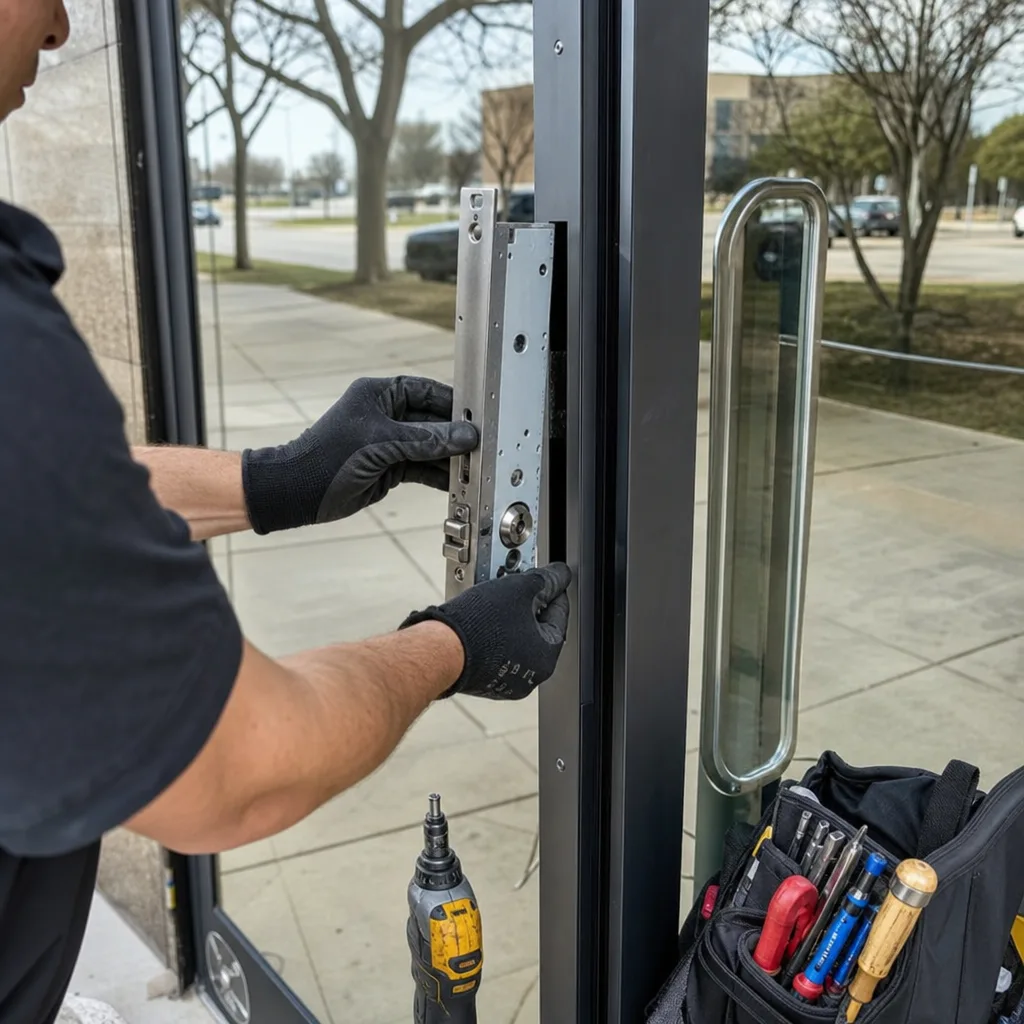
November in Fort Worth brings rapid temperature swings, 40°F drops in 12 hours, that compress and release weatherstripping repeatedly. Compression-set weatherstripping, common on doors more than five years old, loses resilience and becomes permanently flattened. The door then sits deeper in the frame, increasing pressure on the latch bolt and deadbolt with every closure.
This pressure is easy to underestimate. A door that requires 10 pounds of closing force instead of 3 pounds transfers that difference to the latch mechanism 2,000 times per year. The latch bolt face wears at an angle. The internal spring weakens. Eventually the latch fails to project fully, and the door appears “unlocked” when it is actually mechanically compromised.
Weatherstripping Inspection and Replacement
- Close the door on a dollar bill. Pull slowly. Resistance should be consistent; bare spots indicate compression set.
- Measure door closing pressure. A bathroom scale against the door at knob height should read 3-5 pounds for standard residential weatherstripping. Above 8 pounds indicates excessive compression or misaligned stop molding.
- Replace with silicone bulb weatherstripping. It tolerates Fort Worth’s UV exposure and temperature range better than vinyl foam. Pemko and Reese brands are widely available; we install commercial-grade silicone on request.
- Check the door sweep. A dragging sweep increases closing pressure and traps moisture against the threshold, accelerating wood rot in Fort Worth’s clay-soil neighborhoods where drainage is slow.
The relationship between weatherstripping and lock function is indirect but real. In our experience, 30% of “failing” residential locksets in Fort Worth’s 2015-2025 housing stock are actually healthy hardware stressed by door pressure. Replacing the lockset without addressing the weatherstripping guarantees repeat failure.
For homeowners with Sargent commercial-grade mortise locks, the issue is more acute. Mortise lock latches are precision components with minimal tolerance for lateral pressure. The auxiliary deadlatch (the small plunger above the main latch) must retract independently when the door closes; door pressure can cause both to retract together, defeating the security feature. This is not a defect; it is a maintenance signal.
The Fort Worth Annual Maintenance Log
Generic maintenance calendars fail because they don’t match local conditions. The log below is tied to Fort Worth’s historical weather patterns: average first freeze November 22, last freeze March 13, peak hail season April 15-May 15, and 100°F day probability exceeding 50% from July 15 through August 20.
| Date Window | Task | What to Record | Pass/Fail Threshold |
|---|---|---|---|
| February 15-28 | Strike plate alignment check | Bolt throw measurement; screw depth; frame condition | Full 1-inch bolt engagement; 3-inch screws to stud; no frame softening |
| April 20-May 5 | Keyway cleaning; debris inspection | Key insertion smoothness; visible contamination; lubricant type used | Key inserts fully without resistance; no visible debris; dry lube applied |
| July 20-August 10 | Thermal expansion check | Door-to-frame gap consistency; hinge screw torque; closing pressure | 1/8-3/16 inch gap; all screws tight; <5 lb closing force |
| November 1-15 | Weatherstripping assessment | Dollar-bill resistance; sweep condition; threshold moisture | Consistent bill drag; sweep clears floor; dry threshold |
Keep this log with your home maintenance records. If you sell the property, it documents care that buyers in Fort Worth’s competitive market increasingly request. If you call for service, the log lets our technician diagnose faster, we see what was checked and when.
For commercial properties in Fort Worth, we adapt this log to ANSI/BHMA inspection intervals and provide documented compliance records for insurance and lease requirements.
What to Keep in Your Home Lock Kit
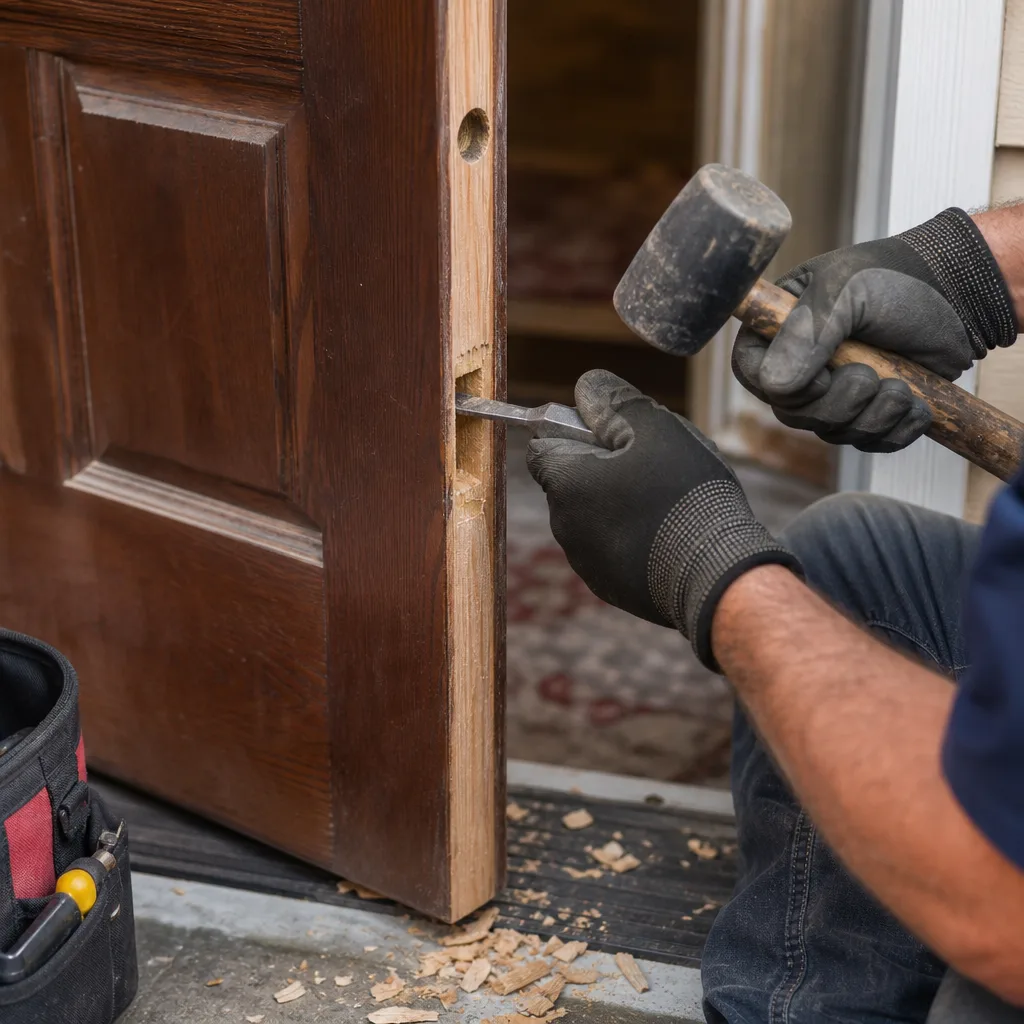
Most homeowners own tools that damage locks. The correct kit is small and specific.
- 3-inch #8 wood screws (quantity 12). For strike plate and hinge reinforcement. Standard hardware store zinc; no need for exotic materials.
- 99% isopropyl alcohol in a dropper bottle. For keyway cleaning. Lower concentrations leave water residue.
- Teflon dry lube. One can lasts years. Apply sparingly; excess attracts debris.
- Carpenter’s flat pencil. The 1/4-inch flat profile is a precise gap gauge.
- Bathroom scale. For measuring door closing pressure. Already in most homes.
- Flashlight with narrow beam. For inspecting pin chamber condition through the keyway. A phone light is too diffuse.
What not to include: WD-40 (attracts dust, gums mechanisms), graphite (stains finishes, incompatible with some high-security lubrication specifications), liquid wrench (too viscous for pin chambers), and any tool that enters the keyway (picks, probes, dental picks).
For homeowners with access control systems in Fort Worth, the kit expands to include contact cleaner for card readers and a non-conductive probe for strike plate adjustment. These systems have additional seasonal considerations; moisture ingress at reader housings peaks during Fort Worth’s spring storm season.
Common Mistakes to Avoid
- Graphiting a dirty keyway. The graphite binds with existing debris to form abrasive paste. Clean first, lubricate second, or call for professional disassembly if the lock is already gritty.
- Shortening deadbolt throw to fix binding. Reducing from 1 inch to 3/4 inch creates a security gap that bypass tools exploit. Fix the frame, not the bolt.
- Ignoring hinge sag on heavy doors. A 1/16-inch hinge drop at the top translates to 1/8-inch latch misalignment at the strike. Hinges are the root cause in 40% of Fort Worth service calls we diagnose as “lock failure.”
- Using seasonal maintenance as a substitute for hardware upgrades. A grade 3 lockset (residential builder grade) has a 5-7 year service life regardless of maintenance. Maintenance extends performance within that window; it does not reset the clock.
- Applying car wax to lock cylinders. Some online guides recommend this for “protection.” Wax residue traps pollen and grit; we’ve replaced cylinders where wax accumulation prevented pin movement entirely.
- Waiting for complete failure. A lock that requires jiggling is already damaged internally. The jiggling wears pin chambers and cams. Address binding at first symptom.
- Assuming all locks need the same care. Mul-T-Lock Interactive+ cylinders use floating balls in addition to pins; standard cleaning procedures don’t reach them. High-security hardware requires manufacturer-specific maintenance or professional service.
When to Call a Professional
Some conditions exceed homeowner maintenance. Call when: the strike plate is misaligned more than 1/4 inch (frame structural issue); the keyway contains visible corrosion or green oxidation (bronze pin degradation); the lock was rekeyed within the last year and is already malfunctioning (likely incorrect pin kit or worn springs); or you have high-security hardware under warranty and DIY service voids coverage (Mul-T-Lock, Abloy, Medeco all specify authorized service for warranty claims).
Novak Lock & Security Fort Worth offers free estimates in Fort Worth. We quote a firm price on the phone, and under Haven Standard Clause 1, the technician is not permitted to change it at the door. Every visit includes a documented photo record and is performed by a background-checked, uniformed technician. Call (817) 765-4998.
Frequently Asked Questions
Professional seasonal maintenance typically runs $85-$150 per visit for a standard single-family home with two entry doors, quoted in writing before we start. This covers inspection, adjustment, lubrication with manufacturer-specified products, and documentation. High-security hardware or access control integration adds $40-$75 per system. We do not charge a call-out surcharge; the quoted price is the invoice price, per Haven Standard Clause 1. Call (817) 765-4998 for an exact quote based on your door count and hardware types.
Yes. The dispatcher quotes a firm price, and the technician is contractually prohibited from changing it at the door. This rule has been in place since 2002 and is the foundation Novak Lock & Security was built on. If we discover additional requirements during service, we document them, quote separately, and require your approval before proceeding. The original quoted scope is never increased without explicit agreement.
Calls are answered by a live person 24/7, with no voicemail queue or callback window. Emergency lockout response in Fort Worth typically ranges from 20-45 minutes depending on traffic and your location relative to our dispatch points. Scheduled maintenance is booked at your convenience, usually within 48 hours. For Novak Lock & Security Fort Worth home service details, call (817) 765-4998.
Our technicians are factory-authorized for premium brands including Medeco, Mul-T-Lock, Abloy, Baldwin, and Schlage. Authorization requires manufacturer training and recertification. We carry authorization documentation on every vehicle and provide it on request. For high-security installations, we also provide the original key registration card and factory warranty paperwork, which non-authorized locksmiths cannot obtain.
Yes. Fort Worth’s position on the Cross Timbers ecological boundary creates sharper temperature swings than Dallas or Houston. The clay soils in neighborhoods like Wedgwood and Berkeley Place shift more dramatically with moisture changes, stressing door frames. And Fort Worth’s hail frequency, among the highest in Texas, introduces debris patterns that don’t occur in coastal markets. Generic maintenance advice written for “Texas” misses these specifics.
Inspection, cleaning, and weatherstripping replacement are within most homeowners’ capability. Frame adjustment, hinge re-mortising, and high-security cylinder service are not. The dividing line: if the fix requires removing material from the door or frame, or if it involves disassembling a lock cylinder, call a professional. Incorrect frame modification voids door warranties and can compromise fire ratings. Incorrect cylinder disassembly destroys pin chamber tolerances permanently.
Every Novak Lock & Security visit includes a documented photo record showing before and after condition, a written scope of work performed, and a written warranty under our 365-Day Done Right Promise. For commercial clients, we also provide ANSI/BHMA compliance notation where applicable. This documentation is yours to keep; we maintain copies under The Haven Standard quality framework shared across all ten Haven brands.
The Bottom Line
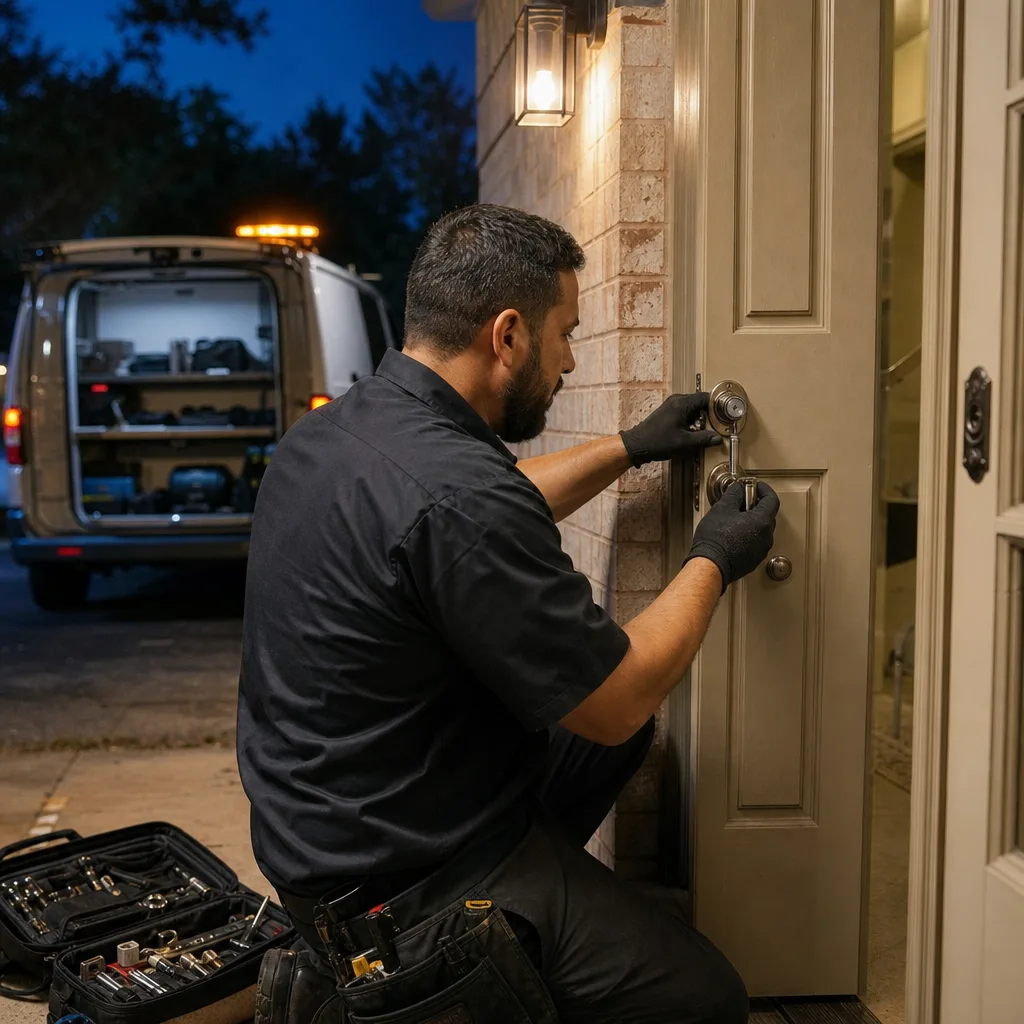
Fort Worth’s climate creates four distinct hardware stress windows, February ice, April humidity and debris, August thermal expansion, and November compression, each degrading locks in predictable ways. Mapping maintenance to these actual conditions rather than a generic quarterly schedule prevents the misalignment and contamination that cause most residential lock failures. The tasks are specific, measurable, and documented: strike plate alignment, keyway cleaning, thermal gap verification, and weatherstripping pressure. Perform them, or have them performed, with written records. Locks are mechanical systems with finite service lives; maintenance extends performance within that lifespan but does not replace eventual hardware upgrade. When in doubt, obtain a written estimate before work begins, and verify that the quoted price is contractually protected from change at the door.
Written by Daniel Novak, Owner at Novak Lock & Security Fort Worth, serving Fort Worth since 2002.